

If your main moisture-control problem is not reviving totally soaked filament but keeping one active spool sealed, visible, and easy to use between prints, the HATCHBOX ThermoBox is one of the cleaner Amazon buys for that job.
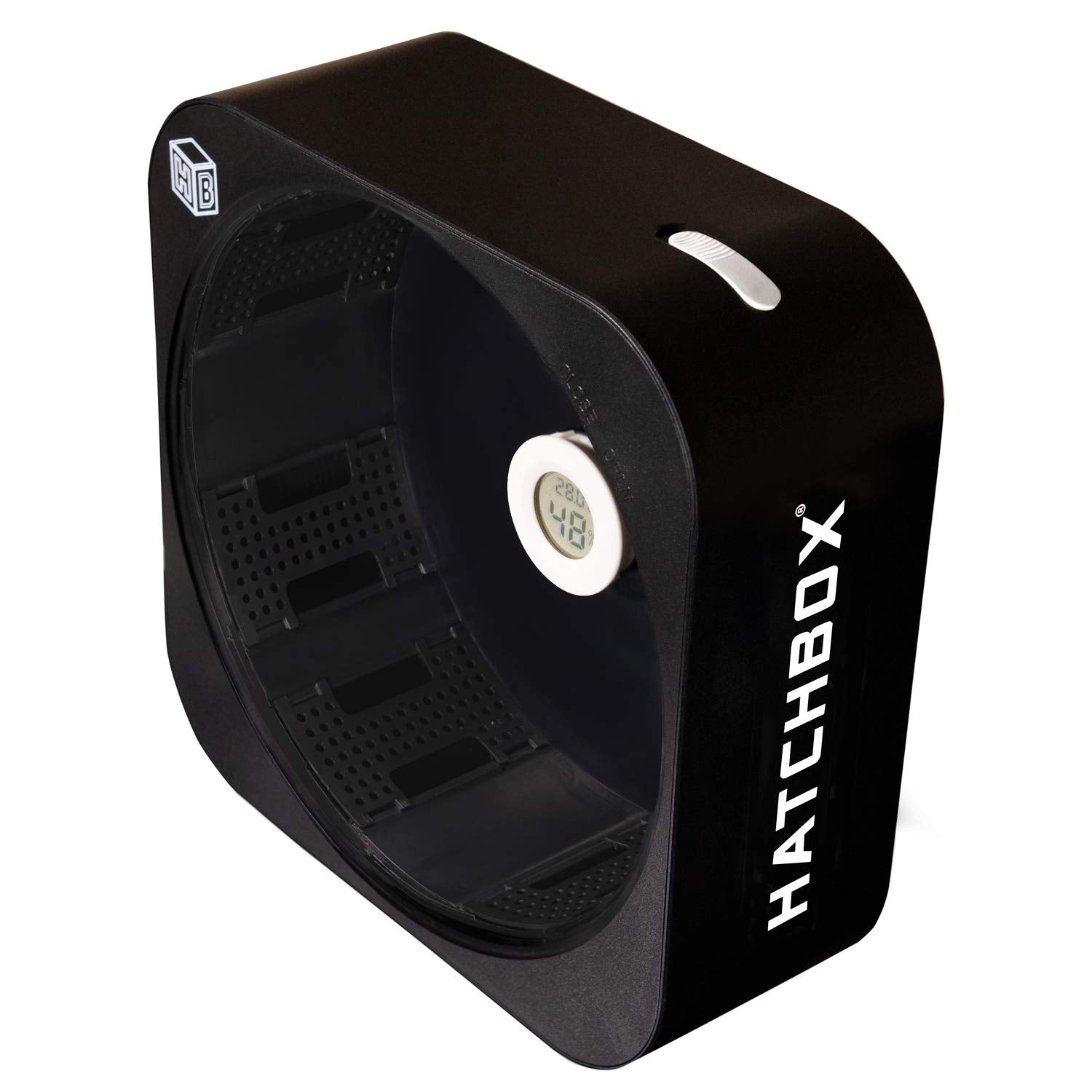
Quick take: the HATCHBOX ThermoBox Filament Storage Box makes the most sense for makers who want a single-spool print-from-box workflow with a built-in thermo-hygrometer, less rebagging, and better day-to-day material handling. It makes less sense if you need active heated drying or you are trying to stage a lot of open spools at once.
What it is actually good at
This is a passive sealed storage product, not a rescue dryer. That distinction matters. Once a spool is already dry enough, a box like this helps you keep it that way while still leaving it usable on the bench. That is a different job from trying to pull moisture out of wet nylon overnight.
- Single-spool workflow: better fit for one current roll than a whole shelf strategy.
- Built-in humidity visibility: the thermo-hygrometer gives you a quick reality check instead of storage-by-vibes.
- Cleaner handling: easier to keep one spool ready without repeatedly opening, resealing, and relocating bags.
- Print-from-box use: useful when you want storage and active bench access in the same setup.
Who this review is really for
The strongest buyer fit is someone printing with one active spool at a time and getting tired of the friction around moisture control. If that sounds like your bench, the ThermoBox is a more natural upgrade than more vacuum bags or a giant multi-spool tote.
- good fit for PETG, TPU, nylon, and other spools you want to keep protected after drying
- good fit for desks, carts, shelves, or compact work areas where cleaner spool handling matters
- good fit for people who want humidity visibility without adding a separate sensor to every box
- weaker fit for buyers whose real issue is already-wet filament that still needs active heat
What I like about it for real 3D printing use
The big advantage is workflow simplicity. A lot of moisture-control setups technically work, but they become annoying enough that people stop using them consistently. The HATCHBOX box is appealing because it keeps the routine small: dry the spool if needed, load it into the box, keep an eye on humidity, and pull filament from a cleaner controlled lane instead of reopening a bag every time.
That also makes it a sensible branch for readers coming from broader storage and dryer questions. If you are still deciding whether you need a box like this at all, start with how to store 3D printer filament so it stays dry and prints consistently. If you are comparing storage against active drying for hotter materials, read do you need a filament dryer for ASA, or is sealed storage enough.
Where it makes more sense than the usual alternatives
| If your real goal is... | Does the ThermoBox fit? | Why |
|---|---|---|
| keeping one active spool sealed and visible between prints | Yes | This is the cleanest lane for the product: one spool, one enclosure, one quick humidity check. |
| storing lots of open spools as cheaply as possible | No | Vacuum bags, totes, or bigger dry-box systems usually scale better for collection storage. |
| rescuing already-wet nylon, TPU, or PETG | No | You still need active drying first. This box is for holding the gain after that. |
| reducing rebagging friction on a current working spool | Yes | That convenience angle is where the product earns its keep fastest. |
How it compares in the GoodPrints storage cluster
Within this cluster, the ThermoBox sits between cheap resealable storage and larger passive box systems. It is more focused than bulk storage and less aggressive than a heated dryer. That makes it a strong fit for “one spool I actually use all the time” intent.
- If you want the strongest single-spool buyer-first angle, read the best single-spool storage box guide.
- If you are comparing it directly with a more established passive-storage competitor, read HATCHBOX ThermoBox vs Polymaker PolyBox.
- If your real issue is wider storage strategy, not one product, use the single-spool filament storage toolkit.
Important caveats before you buy
- Do not treat passive storage like active drying. Wet filament still needs a dryer first.
- If you rotate several open spools constantly, a one-box workflow may feel too narrow.
- If you only open a spool occasionally, bags may still be the cheaper answer.
Final verdict
The HATCHBOX ThermoBox Filament Storage Box is a practical buy for a very specific moisture-control lane: one active spool, sealed storage, visible humidity, and less bench-side friction. That narrower job is exactly why it works. It is not trying to replace dryers, giant storage systems, or every other moisture tool on the shelf. It is trying to make your current spool easier to trust and easier to live with.
If that is the workflow problem you actually have, this is a sensible Amazon pick.
Frequently asked questions
Is the HATCHBOX ThermoBox a filament dryer?
No. It is better understood as sealed passive storage with humidity visibility, not active heated drying.
Who gets the most value from it?
Makers who keep one spool in active rotation and want less rebagging, cleaner handling, and a faster humidity check between prints.
What is the best next read if I am still unsure?
Start with the main filament-storage guide, then branch into the ThermoBox vs PolyBox comparison if you are deciding between passive box styles.
Affiliate link: Check the HATCHBOX ThermoBox on Amazon.